Introduction
If you’re thinking about adding an ADU, you’ve probably noticed there’s more than one way to do it. A backyard cottage, a garage conversion, a basement unit, and an attached addition can all add a separate living space. But they're all very different projects.
So what’s the best ADU for your home? The honest answer is that it depends on three things: what you want the ADU to do, what your property allows, and what you’re comfortable spending. Here’s a plain-English guide to the main options and how to choose between them.
What Is an ADU?
An accessory dwelling unit, or ADU, is a smaller, self-contained home on the same property as a primary residence. It typically includes its own living area, kitchen, bathroom, and sleeping space.
Homeowners build ADUs for many reasons, including housing for family, rental income, a guest suite, a home office, or a way to downsize without moving. The reason matters because it shapes nearly every design decision.
What Are the Main Types of ADUs?
Most ADUs fall into one of four categories.
Detached Backyard Cottage
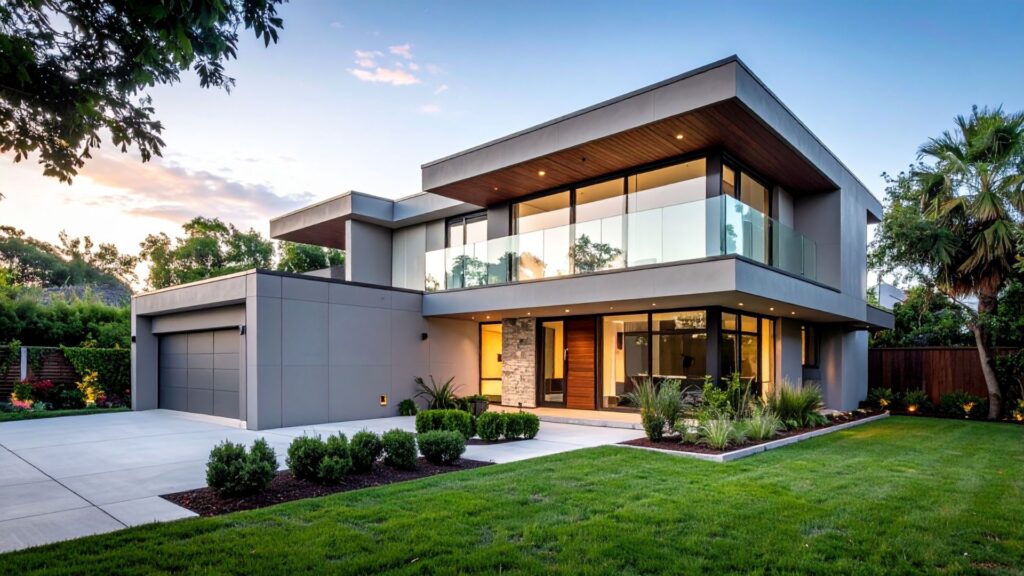
A backyard cottage is a standalone building separate from your main home. It offers the most privacy and the most design freedom, since it’s a new build. It also needs enough open space on the lot, plus new foundations, framing, and utility connections.
Best for: homeowners who want a true second home on the property.
Garage Conversion
A garage conversion turns an existing garage into living space. Because the structure is already there, it can be a practical way to add a unit. The trade-offs are that you lose the garage, and the existing building has to work as a home. Its condition, layout, and ceiling height all matter.
Best for: homeowners with an underused garage and limited yard space.
Basement or Lower-Level Conversion
Finishing a basement as a separate unit adds living space without changing your yard. It works best when the space has good access, enough natural light, and room for a private entrance.
Best for: multigenerational living or a long-term rental.
Attached ADU or Addition
An attached ADU is built onto your home or added above an existing structure. It can share walls and some systems with the main house, which keeps family close but offers less separation than a detached unit.
Best for: family members who want to stay connected to the main home.
How Do You Choose the Best ADU for Your Home?
These questions can help you decide:
1. What is the ADU for?
Your goal sets the direction. A unit for an aging parent calls for accessibility and a layout close to the main house. A rental calls for privacy and a separate entrance. A guest suite or office may not need a full kitchen. Write your goal in one sentence before you look at floor plans.
2. What does your property allow?
Your lot decides what’s realistic. Look at:
- Lot size and shape: Is there room for a detached unit, or is an interior conversion a better fit?
- Slope and access: Can crews and materials reach the build area easily?
- Existing structures: Do you have a garage or basement that could be converted?
- Utilities: How far is the planned unit from existing connections?
Local zoning and permitting rules also shape what you can build, and they vary by location. Confirm what applies to your address before settling on a design.
3. What are your budget and timeline?
Each ADU type has a different scope, so cost and schedule will vary. Converting existing space can involve less new construction than building from scratch, but that depends on the condition of what’s already there. A detached cottage often requires more work upfront, but it gives you more control over the result.
What Are Common Mistakes When Choosing an ADU?
A few missteps come up again and again:
- Choosing a design before confirming what the property allows
- Underestimating the work needed to convert an older garage or basement
- Planning around looks instead of how the space will actually be used
- Comparing bids without confirming what each one includes
Avoiding these starts with talking to a builder early, before the design is set.
Why Work With a Design-Build Contractor on an ADU?
An ADU involves design decisions and construction realities that need to stay in sync. In a design-build approach, one team handles both, so the plan is shaped by what can actually be built on your property. That means fewer handoffs, clearer communication, and fewer surprises.
De Marco Builders has been in business for over three decades and has completed more than 1,400 projects, including many ADUs and additions. Contract prices and completion schedules are guaranteed, so you know what to expect before work begins.
Conclusion
The best ADU for your home isn’t the one that looks best in a photo. It’s the one that fits your goals, works with your property, and stays within your budget. Start with your reason for building, look closely at your lot, and ask for clear numbers and schedules. The right choice usually becomes clear from there.
If you’re planning an ADU in Portland or the surrounding metro area, we’d be glad to help you sort through your options.
Ready to Talk About Your ADU?
Contact us today to talk through your options.